

It’s not something people always talk about openly, but vaginal dryness is actually very common.
For some, it shows up during perimenopause or menopause. For others, it can happen after childbirth, during stress, or just from natural hormonal shifts. Sometimes it’s mild, sometimes it’s uncomfortable, and in certain cases, it can even affect intimacy or day-to-day comfort.
The good news is, there are ways to support vaginal moisture naturally. And most of them don’t require anything complicated.
Why vaginal dryness happens
Before trying to fix it, it helps to understand what’s going on.
Vaginal moisture is closely linked to estrogen levels. When estrogen drops, the body produces less natural lubrication. Over time, this can lead to dryness, irritation, or a feeling of discomfort.
According to Cleveland Clinic, this is especially common during menopause, but it can also happen earlier due to hormonal fluctuations.
1. Stay hydrated (but don’t rely on it alone)
Drinking enough water matters, but it’s usually not the full solution.
Hydration supports your body overall, including your skin and mucous membranes. But if dryness is linked to hormonal changes, you may need a bit more targeted support.
2. Focus on gentle care, not harsh products
A lot of people try to fix dryness with strong products or frequent washing, but that can sometimes make things worse.
The vaginal area is naturally delicate. Over-cleansing or using harsh soaps can disrupt the natural balance and increase dryness instead of helping it.
3. Support your body from within
This is something more people are starting to pay attention to.
Instead of only focusing on external products, some women choose to support moisture internally, especially when dryness is linked to hormonal changes.
That’s where supplements can come in.
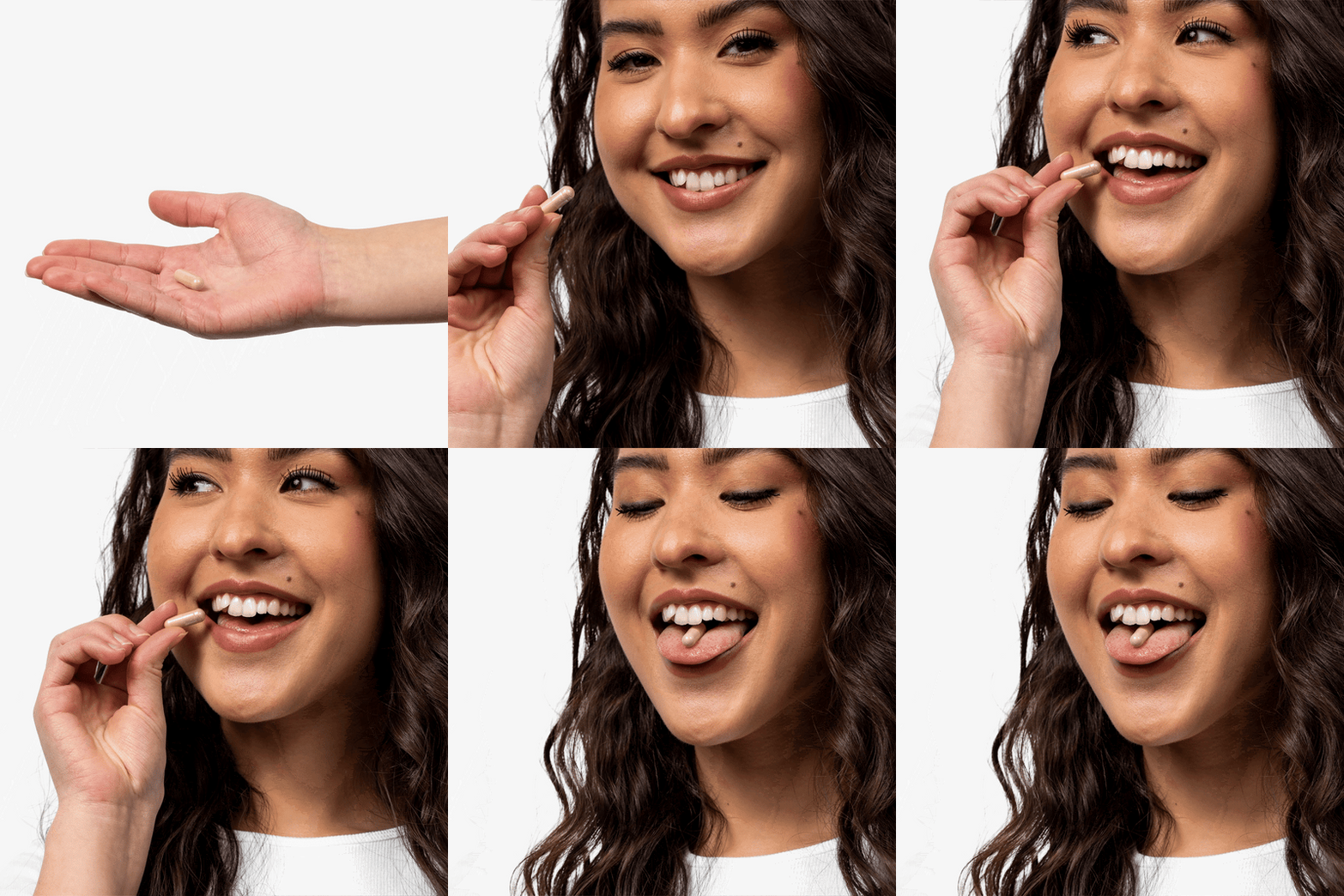
For example, products like the Dear Kitty Vitality Moisture Supplement are designed to support natural lubrication and feminine comfort from within. It’s plant-based and hormone-free, which makes it a simple option for women who don’t want to rely on prescriptions or topical solutions.
Some women notice a difference fairly quickly, in some cases, within just a few days, while for others it builds gradually over time.
4. Pay attention to hormonal stages
Dryness often isn’t random, it’s connected to what your body is going through.
You might notice changes during:
-
Perimenopause
-
Menopause
-
Postpartum recovery
-
Certain phases of your cycle
According to the Mayo Clinic, reduced estrogen levels can lead to thinning and dryness of vaginal tissues, sometimes referred to as vaginal atrophy.
Understanding this can make the experience feel a lot less confusing.
5. Choose breathable fabrics
It sounds simple, but it helps.
Tight clothing and synthetic fabrics can trap heat and increase irritation. Over time, that can make dryness feel worse.
Switching to breathable fabrics and reducing friction can make a noticeable difference in comfort.
6. Be consistent (not aggressive)
This is probably the most important point.
When it comes to vaginal moisture, it’s not about quick fixes or strong treatments. It’s about supporting your body consistently in a way that doesn’t cause more irritation.
Small, regular steps tend to work better than anything extreme.
Final thoughts
Vaginal dryness is more common than most people think, and it’s not something you just have to “put up with.”
Whether it’s caused by hormonal changes, stress, or daily habits, there are natural ways to support your body and feel more comfortable again.
For some, that means adjusting routines or being more mindful of irritation. For others, it might include adding something like a daily supplement to support moisture from within.
Either way, the goal isn’t perfection, it’s simply feeling better and more balanced in your own body.